 logo
logo


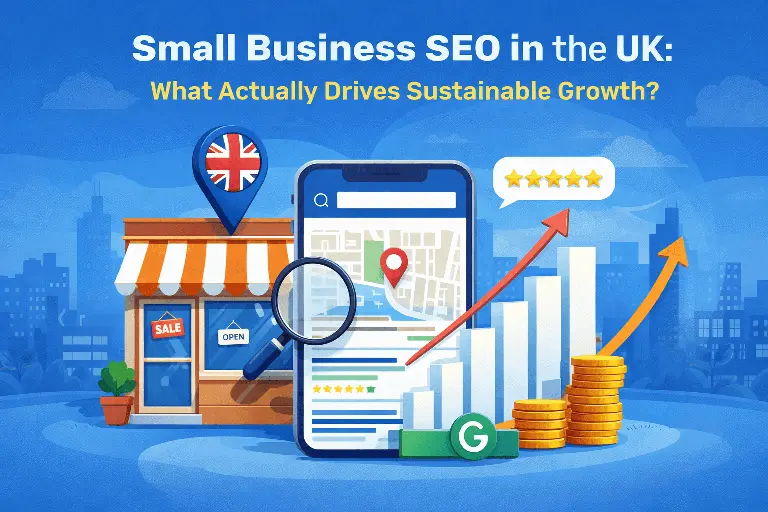
For many early startups and small brands, search engine optimisation can feel overwhelming. There’s no shortage of advice, tools, or agencies promising quick results, yet many business owners struggle to understand what genuinely works. The reality is that effective SEO for startups or local businesses is not about shortcuts but about understanding how search visibility, local relevance, and trust signals work together over time.
According to data from Google, over 75% of users never scroll past the first page of search results, and more than 80% of consumers use search engines to find local services before contacting a business. For new businesses, this makes SEO less of a “nice-to-have” and more of a foundational growth channel.
Why SEO Is a Long-Term Advantage for New Brands
Large brands can rely on name recognition and significant advertising budgets. Early startups cannot. This is why SEO plays a different role for smaller organisations. It helps level the playing field by allowing businesses to compete based on relevance, trust, and proximity not brand size.
A reliable SEO approach focuses on making sure your website appears when potential customers search for specific services in your area, rather than trying to compete nationally for broad, expensive keywords.
Why Local Search Drives Visibility for Most Businesses
For most businesses, success starts with local search. Strong local SEO ensures that your company appears in Google Maps results, “near me” searches, and location-based service queries. Many businesses explore structured SEO services only after understanding these fundamentals, ensuring they invest in strategies aligned with real business outcomes rather than vanity metrics.
Effective local SEO prioritises:
- Accurate and consistent business details (NAP)
- A fully optimised Google Business Profile
- Location-focused service pages
- Reviews and reputation signals
- Clear internal site structure
These elements help search engines understand where you operate and who you serve, often delivering faster and more meaningful results than content-heavy strategies alone.
What Actually Makes an SEO Strategy Work
A solid SEO strategy doesn’t chase traffic for its own sake. Instead, it focuses on intent. This means understanding why someone is searching, what problem they want to solve, and what information will help them choose a business with confidence.
The most effective SEO strategies prioritise:
- Search intent over keyword volume
- Local relevance over generic visibility
- Technical clarity over cosmetic changes
- Trust signals over aggressive optimisation
Many businesses explore structured SEO services only after understanding these fundamentals, ensuring they invest in strategies aligned with real business outcomes rather than vanity metrics.
Choosing the Right SEO Partner
There is no universal “best” SEO approach. The most effective strategies are those aligned with a business’s size, market competition, and long-term goals. Sustainable SEO focuses on gradual, compounding growth rather than sudden ranking spikes that disappear just as quickly.
SEO as a Long-Term Business Asset
Unlike paid advertising, SEO does not stop working the moment spend pauses. When implemented correctly, it becomes a long-term asset generating consistent visibility, enquiries, and opportunities over time. For local businesses, investing in structured, local-first SEO is less about chasing algorithms and more about building digital trust and sustainable growth.
Final Thought
For many UK businesses, SEO becomes most effective when it is treated as a long-term business asset rather than a short-term tactic. Understanding how search visibility, local relevance, and trust signals work together allows businesses to make better decisions about where to invest their time and resources.
If you’re exploring how a structured, sustainable SEO approach fits into your wider growth plans, you can learn more about how we approach SEO for small businesses on our homepage.